
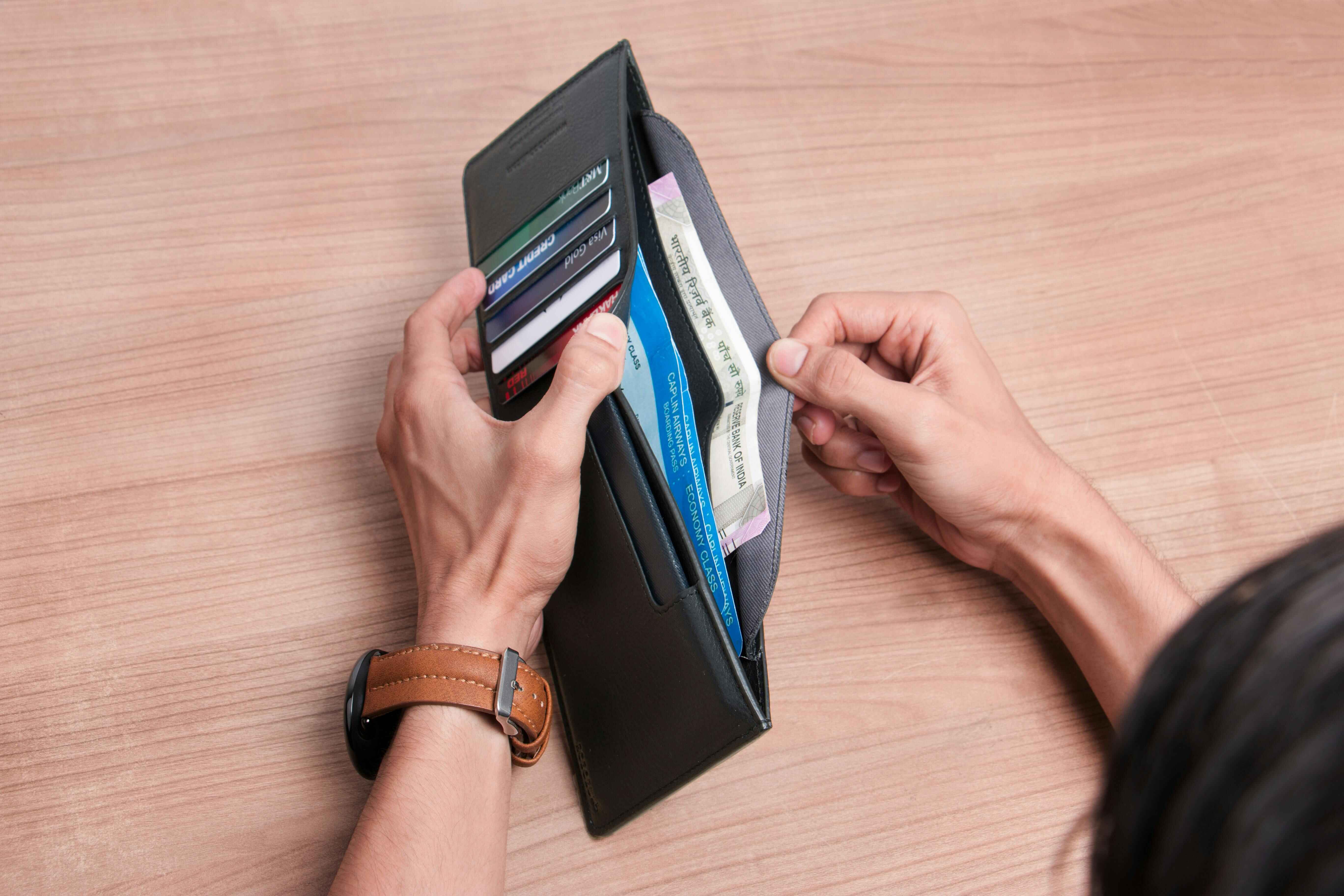
I’ll be honest, I used to roll my eyes when someone mentioned budgeting apps. I thought they were made for people earning 6-figure salaries or tracking complex investments.
But here’s what changed my mind: One random night, I opened an expense tracker and realised I had spent over ₹2,000 that month just on Swiggy and “small” Zomato orders. That’s when it hit me — my money wasn’t disappearing, it was walking out with full confidence and dessert.
If you’ve tried budgeting before and dropped it in 3 days, same here. But once you find the right app, it becomes surprisingly easy to stick to, especially when the app is made for Indian spending habits.
In this post, I’m breaking down the best budgeting apps in India for 2025 — the ones that actually helped me track expenses, manage bills, and save smarter.
→ Also read: How to Save ₹5,000 Every Month in India
What to Look for in a Budgeting App in India?
Before I list out the apps, let’s quickly talk about what makes an app actually useful, not just pretty.
A good budgeting app in India needs to a few things well:
- Sync with Indian banks or read SMSes to track UPI/card payments
- Categorise spends correctly (yes, Swiggy is not “Groceries”)
- Show you exactly where you’re leaking cash — without sending 17 notifications a day
I also prefer apps that load fast, work offline (because Airtel is not always Airtel-ing), and don’t shove investment ads in your face.
Bonus if it lets you set monthly caps, like ₹2,500 for food, so you know when you’re about to blow it all on biryani again.
Coming up next: My favourite apps, including the one that saved me from accidentally spending ₹4,000 on delivery coffee in one month.
1. Walnut
Walnut was one of the first apps I tried when I got serious about tracking my spending. It reads your SMS alerts (securely) and figures out where your money is going — UPI payments, card spends, rent, everything. No need to open your bank app ten times a day.
It shows you a monthly summary, categorizes your expenses, and even lets you split bills with friends. Super handy if you share costs with roommates or a partner. For anyone looking for the best budgeting apps in India that don’t need constant manual input, Walnut is a solid pick.
2. ET Money
It’s a misconception that saving means big sacrifices. Honestly, it’s the small stuff that ET Money is what I use when I want everything in one place — expenses, SIPs, insurance reminders, all of it. It doesn’t just help you save; it helps you build better habits with your money.
What I like most is how it shows where your money went that month. It breaks it down into groceries, travel, eating out, and so on, which helped me realise just how much chai I was buying outside. If you’re looking for an easy budgeting apps in India that combine tracking and investing, this one’s definitely worth checking out.
3. Goodbudget
At some point, I realised I couldn’t cut back any further without driving myself crazy. My Goodbudget is simple, but that’s kind of its strength. It uses the envelope method — you set a budget for each category, like groceries, rent, and eating out, and then spend from those “envelopes.” Once the envelope is empty, that’s it.
You do have to enter everything manually, which might feel like a chore at first, but it actually makes you more aware of your spending. I used it during a no-spend month challenge, and it helped a lot.
If you’re okay with not syncing to your bank and want to build stronger money habits, give this one a shot.

4. Groww
Groww isn’t your typical budgeting app, but I still use it as part of my monthly planning. Every time a SIP goes through, I get a notification. That helps me structure my budget around my investments instead of treating savings like an afterthought.
It’s clean, easy to use, and shows your portfolio at a glance. You won’t find categories like “groceries” or “eating out,” but if you want an app that keeps your money goals front and center, Groww does that well.
It pairs nicely with other budgeting tools and definitely deserves a spot on the list of best budgeting apps in India.
5. Spendee
Spendee is the app I turn to when I want things to look good while keeping my budget on track. It’s clean, colourful, and gives you those satisfying little charts that make tracking expenses feel less like a chore.
Last November, I used it to keep my Diwali spending under control — gifts, snacks, Uber rides, all of it. Just being able to see it laid out visually helped me cut back without feeling restricted. If you’re someone who enjoys using personal finance apps with a visual layout, Spendee is fun, functional, and super beginner-friendly.
6. Money Manager by Realbyte
Money Manager doesn’t try to impress you with animations or clever features. It just does one thing really well — tracks what you earn and what you spend. And that’s exactly what I needed when I was on a tight monthly grocery budget.
I spent a full month logging every rupee manually. It wasn’t fancy, but it worked. I could actually see where the money was going — no surprises, no guilt-trips from the app. If you want a basic budget tracking app in India that’s distraction-free and clear, this one is a solid option.
7. YNAB (You Need A Budget)
YNAB isn’t an Indian app, but I had to include it because of how it changed the way I think about budgeting. The idea is simple: give every rupee a job. You assign your income to categories like rent, groceries, and savings before you spend it.
It doesn’t sync with Indian banks, so I used it manually. But that was part of the magic. It made me intentional with every spend. If you’re okay with entering your data and want a serious budgeting system, YNAB can be worth the learning curve. It’s more of a mindset shift than an app, honestly.
8. Moneyfy by Tata Capital
I came across Moneyfy while looking for an app that could do more than just track expenses. Turns out, it’s actually built to manage investments, insurance, and daily spending — all from one place.
I tested it for a few weeks to track my SIPs and see if it could fit into my monthly budgeting routine. It was smooth and didn’t feel overwhelming, which is rare with finance apps. Plus, it gave me a few helpful nudges to cut unnecessary spending. If you’re juggling bills and investments side by side, this could be a useful finance tracking app for Indian users who like having everything under one roof.
9. Monefy
Monefy is the app I used when I just wanted a simple tap-to-track setup. You open the app, tap a category like “food” or “transport,” punch in the amount, and you’re done. That’s it.
It doesn’t sync with your bank or read SMSes, so it’s not automatic — but it’s fast. I found it really helpful during a challenge where I had to stick to a strict ₹2,000 spending limit. If you’re looking for a minimalist daily expense tracker in India, Monefy is great. Clean design, no distractions, easy to stick with.
10. Bishinews Expense Manager
This one is definitely under the radar, but it’s one of the most detailed apps I’ve used. Bishinews lets you track everything like daily expenses, recurring bills, custom categories, and even multiple accounts if you manage both cash and card spending.
I started using it when I wanted to go full desi-accountant mode. It helped me understand patterns I would’ve missed otherwise, like how much I actually spend on chai over a month. If you’re looking for a feature-rich money tracking app for Indian households, this one is worth a try.
The Budget Chapter Verdict
There’s no single “perfect” budgeting app — it really depends on your money habits, income flow, and how much time you’re willing to spend tracking things. Personally, I’ve jumped between manual apps like Money Manager and auto-trackers like Walnut, depending on the phase I’m in.
If you’re just starting out, pick one that feels simple and not overwhelming. Stick with it for a full month and see what clicks. The goal isn’t to log every rupee forever — it’s to understand your spending enough to stay in control.
Whichever app you try, just starting is half the win.
Liked this post? I’ll be sharing more real-life tips on saving, budgeting, and living better with less, all from an Indian lens. Feel free to check out the latest posts or follow along on Instagram for quick money-saving ideas.
This post may contain affiliate links. I may earn a small commission if you sign up or buy through them, at no extra cost to you. Read more in the disclaimer.