
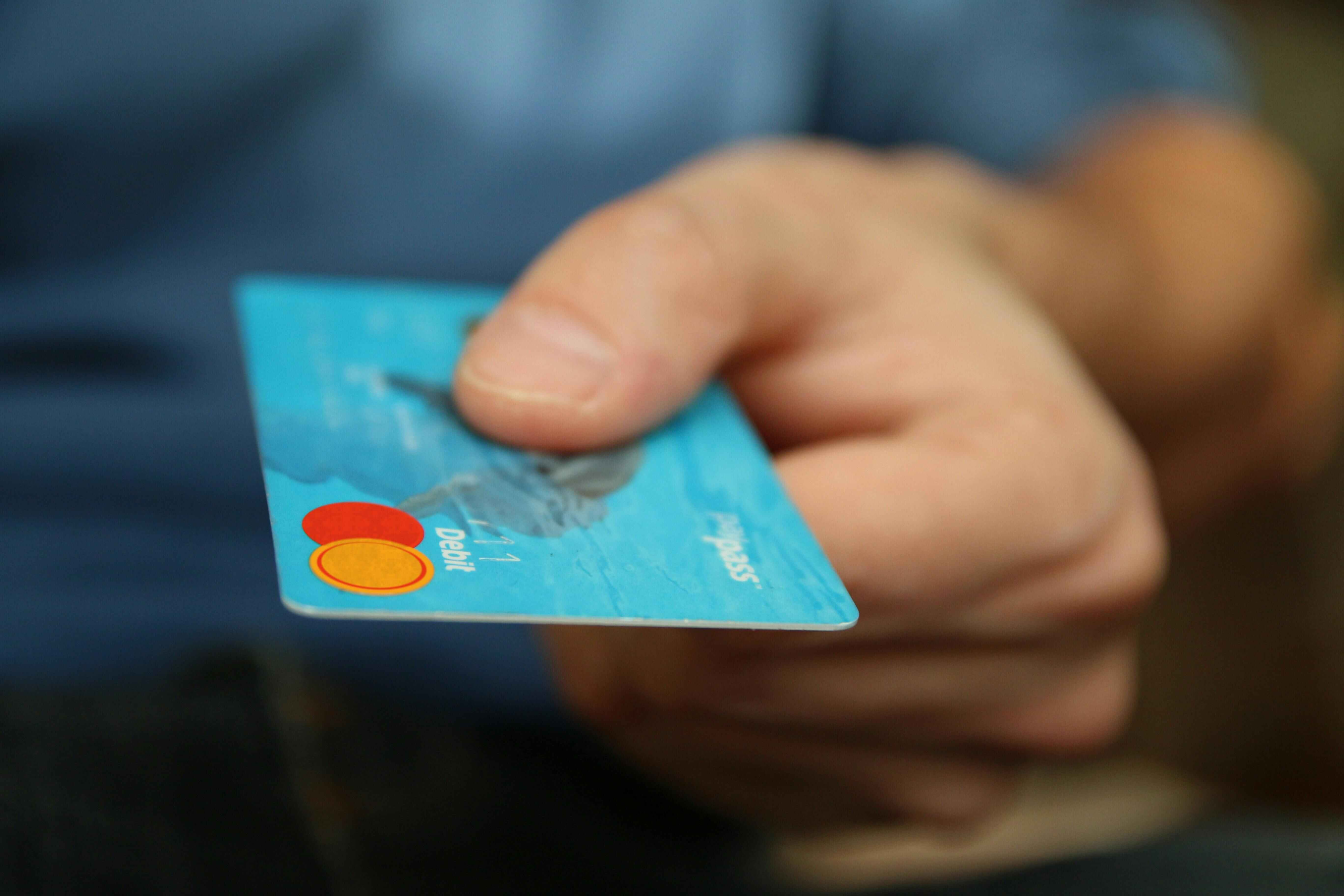
The first time I got a credit card, I was convinced I’d mess it up. Everyone around me had a story about how cards lead straight to debt. But once I actually started using one, I realised it could do the opposite. When handled right, a beginner card can stretch your money, give you cashback on things you already buy, and slowly build your credit history.
The best part is you don’t need anything fancy to begin. Banks in India now offer simple, entry-level credit cards with low or zero annual fees, quick approvals, and rewards that actually make sense for everyday life. It’s the kind of tool that feels intimidating at first, but once you learn the basics, it just clicks.
In this post, I’ll walk you through the best credit cards in India for beginners in 2025. If you’re already saving a little each month, this can be your next step.
What Makes a Good Beginner Credit Card in India?
Not every shiny-looking card is worth it when you’re starting out. The best entry-level credit cards in India are the ones that don’t complicate your life. Look for features that keep things simple.
A low annual fee, or even better, a lifetime free option, means you won’t feel guilty about keeping the card. Easy approval matters too, especially if you’re a student, freelancer, or fresh into your first job. Banks now have beginner-friendly credit cards designed exactly for this stage, so you don’t need a long credit history to qualify.
Rewards are the next big thing to check. Cashback or discounts on everyday spends like food delivery, groceries, or online shopping can actually save you money instead of pushing you to spend more.
Just like budgeting apps, the right beginner credit card should be simple to manage and add value to your daily routine.
Best Lifetime Free Credit Cards for Beginners in 2025
If you’re just starting out, lifetime free credit cards in India are a safe bet. They don’t charge annual fees and still give you decent rewards. Perfect for students, freelancers, or anyone testing the waters with credit.
Here are some beginner-friendly options:
- IDFC FIRST Classic Credit Card – No joining or annual fees, simple approval process, and 0% interest on cash withdrawals up to 48 days.
- Amazon Pay ICICI Credit Card – Lifetime free, gives up to 5% cashback on Amazon and 1% on everything else.
- Axis Bank My Zone Credit Card – Lifetime free offers pop up often; great for beginners who want dining and OTT discounts.
- HSBC Cashback Credit Card – No annual fee (first year free, waived later with pre-defined spends). Offers 1.5% unlimited cashback.
These beginner credit cards in India help you build a credit score without worrying about hidden charges, making them great options for students or side hustlers.
Best Cashback Credit Cards for Beginners 2025
Cashback credit cards are the simplest way to save on everyday spending. Instead of collecting points you may never use, these cards return a percentage of your money directly. For beginners, this makes tracking benefits effortless.
Here are some reliable cashback credit cards in India for 2025:
- SBI Cashback Credit Card – 5% cashback on online purchases, 1% on offline transactions.
- HDFC Millennia Credit Card – Up to 5% cashback on Amazon, Flipkart, Zomato, and Swiggy.
- Axis Ace Credit Card – Flat 2% cashback on all spends, plus 5% on Google Pay utility bill payments.
- ICICI Amazon Pay Credit Card – Lifetime free with 5% cashback for Prime members and 1% on other spends.
For anyone exploring entry-level credit cards in India, cashback options feel almost like a mini version of passive income. The money comes back automatically without extra effort.
Best Credit Cards for Online Shopping in India 2025
Most of us now spend more on apps than in physical stores. Groceries on Blinkit, late-night meals on Zomato, and endless Amazon orders are just part of everyday life. A few beginner-friendly cards in India are designed specifically for these online spends, making them very different from flat cashback cards.
Some of the best options in 2025 are:
- Amazon Pay ICICI Credit Card – Lifetime free, perfect for regular Amazon users with 5% cashback for Prime members.
- SBI SimplyCLICK Credit Card – A solid pick for students and young professionals who use Amazon, Flipkart, Cleartrip, and BookMyShow.
- Axis Neo Credit Card – Useful if you shop on Myntra or order food often from Zomato.
- HDFC Millennia Credit Card – A balanced choice that gives rewards across multiple apps, including Flipkart and Swiggy.
Each card fits a different spending pattern, so the best choice depends on where your money goes online. If you’re already building side income streams, pairing them with the right online shopping card is another smart way to stretch your budget.
Easy Approval Credit Cards for First-Timers
If you’ve never used a credit card before, approval is usually the biggest hurdle. Banks want to see a credit history, but beginners don’t have one yet. Thankfully, there are simple entry points in India that make it possible to get started.
- Secured credit cards – Backed by a fixed deposit, these are the most reliable option for first-timers. For example, the ICICI Bank Instant Platinum or the SBI Unnati. Even with no credit score, you’ll likely be approved, and regular use helps you build a track record.
- Low-barrier entry cards – Some banks issue beginner credit cards with relaxed eligibility, such as IDFC FIRST Classic or Axis Insta Easy. They don’t need a high income or a lot of paperwork, which makes them ideal for students and young professionals.
Choosing one of these helps you enter the system safely and start building credit step by step. Pairing it with smart money habits ensures you grow responsibly from day one.
Credit Cards That Help Build Credit History in India
Starting to build your credit history early can make a big difference when you apply for loans, EMIs, or even some rentals. A strong track record shows banks you are reliable with borrowing and repayment.
For beginners, the right credit card can help you start this process safely. Secured credit cards, like ICICI Bank Instant Platinum or SBI Unnati, report your usage to credit bureaus, making it easy to begin building a score. Beginner-friendly unsecured cards, such as IDFC FIRST Classic and Axis Insta Easy, also help you create a positive credit history as long as you pay on time.
Regularly tracking your card usage and ensuring timely payments is key. Some cards even offer simple dashboards to monitor spending and repayments, which is ideal for first-timers.
A strong credit history also means better loan deals later on, including home loans. Starting with the right card now can save you thousands when you need bigger credit in the future.

Comparing the Top Beginner Credit Cards in India 2025
With so many options, picking your first credit card can feel overwhelming. A quick comparison helps you see the key differences in fees, rewards, and approval.
Card Name Annual Fee Cashback/Rewards Online Shopping Benefits Approval Ease
IDFC First Classic Lifetime Free 1% on all spends Moderate Easy
Amazon Pay ICICI Lifetime Free 5% on Amazon (Prime) Excellent on Amazon Easy
SBI SimplyCLICK ₹499 10X reward points on Amazon, Flipkart Excellent Moderate
HDFC Millennia
₹0–₹500 Up to 5% cashback Good on Flipkart, Zomato Easy
Axis Ace ₹499 2% flat cashback Good on Google Pay, Zomato Easy
This table makes it simple to see which card fits your lifestyle. Some excel at online shopping, others give consistent cashback, and a few are easiest for first-time approvals. Just as I broke down the Best Investment Apps in India, this side-by-side view lets you pick the best credit cards in India for 2025 without overthinking.
Smart Tips to Use Beginner Credit Cards Without Falling into Debt
Using your first credit card responsibly helps build credit and avoid unnecessary charges. Key habits for beginners include:
- Always pay the full amount each month instead of just the minimum. Interest can add up quickly and create debt.
- Use the card only for planned expenses you have already budgeted for, not for impulsive purchases.
- Regularly check your spending through your card’s dashboard or app to avoid surprises at the end of the month.
- Decide on a monthly spend limit and set reminders for payment due dates to stay in control.
- Treat your first card like a financial cushion, similar to saving an emergency fund.
Following these habits lets you enjoy beginner credit cards in India, earn rewards, and gradually build a strong credit score without stress.
The Budget Chapter Verdict
Starting with a credit card can feel intimidating, but the right one makes it simple to save, earn rewards, and build a solid credit history. Beginner-friendly, low-fee options in 2025 let you experience the benefits of credit without stress or hidden charges.
The key is to pick a card that fits your spending habits, whether it’s cashback on daily purchases, rewards for online shopping, or easy approval for first-timers. Using it responsibly turns your first card into a tool that works for you rather than against you.
If you want a well-rounded approach to managing money, check out related posts on saving, investing, and side hustles. Pairing the right credit card with smart financial habits is a step toward more control, more savings, and smarter spending with the best credit cards in India 2025.
Liked this post? I’ll be sharing more real-life tips on saving, budgeting, and living better with less, all from an Indian lens. Feel free to check out the latest posts or follow along on Instagram for quick money-saving ideas.
This post may contain affiliate links. I may earn a small commission if you sign up or buy through them, at no extra cost to you. Read more in the disclaimer.
![The 10 Best Budgeting Apps in India [2025 Update]](https://thebudgetchapter.com/wp-content/uploads/2025/07/pexels-rann-vijay-677553-7742556-1.jpg)
