
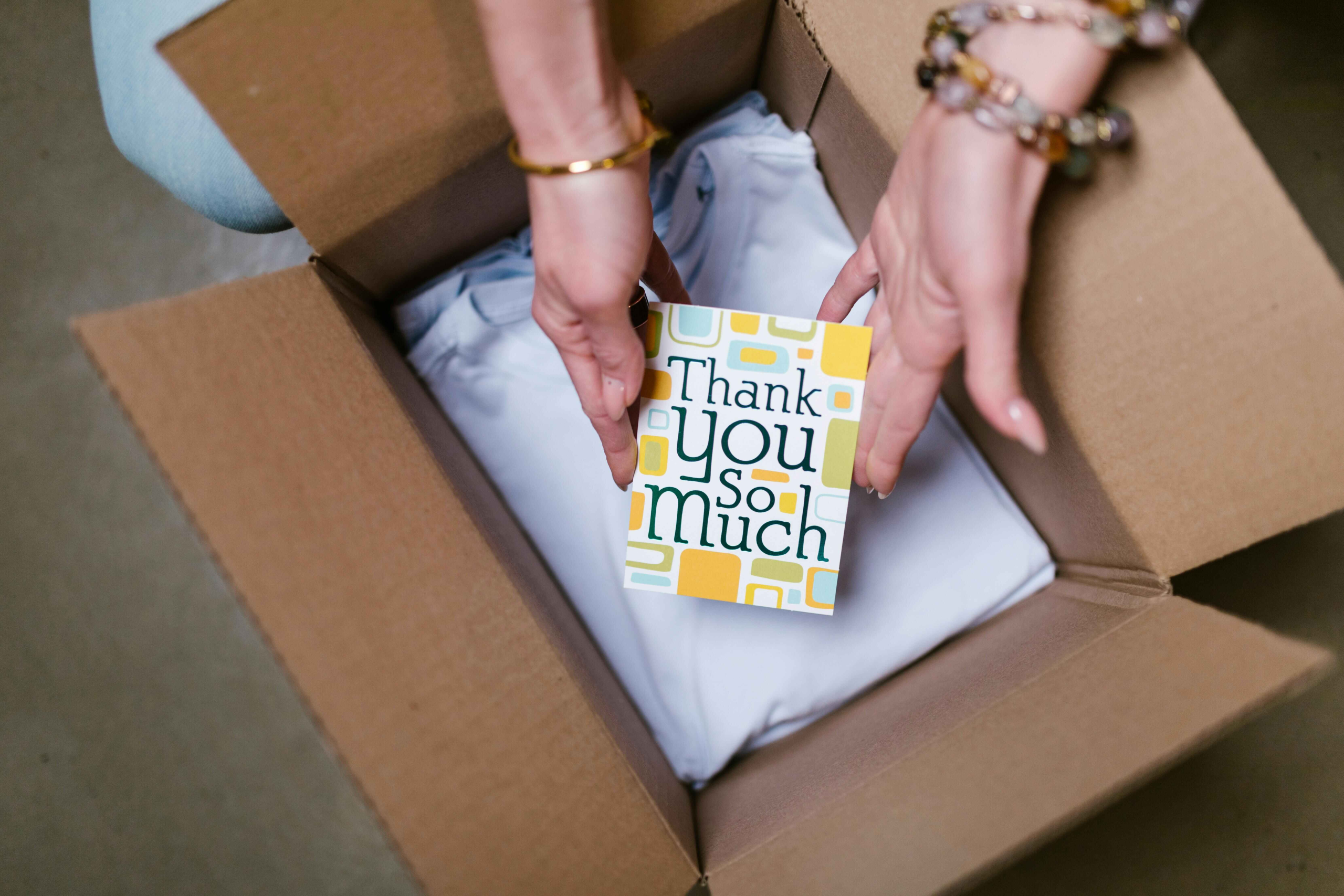
A few years ago, starting an online store in India felt out of reach. Now, with cheap internet and a few simple tools, anyone can build a dropshipping business in India or launch a small print-on-demand setup from home.
You don’t need to buy stock. You don’t need tech skills. And you definitely don’t need a massive budget.
This is for students trying to earn a little on the side, folks stuck in the 9-to-5 grind, or anyone who’s been thinking of doing something of their own. This blog breaks down how to get started with low investment and almost zero risk. You’ll learn how to set up your store, find products that sell, and build something real without overcomplicating it.
1. Why Dropshipping is Booming in India (and Not Just for Tech Bros)
This is probably the best time to get into dropshipping in India. UPI is everywhere, internet plans are affordable, and people from all corners of the country are getting used to shopping online. That combo has quietly opened the door for regular folks to start selling without ever stocking products.
A friend of mine from Indore sells phone covers through Instagram and crossed ₹50K in sales last month. He runs it from his room and replies to customer DMs between lectures.
What’s wild is that you don’t need to be a techie or spend lakhs to try this. These kinds of e-commerce business ideas are now within reach, even in Tier 2 and Tier 3 cities. The tools are easy. The risk is low. And the market is just getting started.
2. Dropshipping vs. Print-on-Demand: Pick Your Hustle
Both models let you start an online store in India without stocking anything yourself, but they work a little differently. Dropshipping is like curating a shop. You find trending products, list them, and a supplier ships the order when someone buys.
A print-on-demand business works more like creating your own merch. You create artwork for t-shirts, mugs, or phone cases, and the item gets printed only after a customer places an order. It’s a great fit for anyone who loves designing or already plays around with tools like Canva.
If you’re more into researching products and building a niche store, dropshipping might be your lane. Creative folks usually enjoy POD more, especially if they’re already exploring things like selling digital products or building small personal brands.
3. Niches That Actually Sell in India (Not Just What You See on YouTube)
Some of the most hyped ideas online don’t really click in the Indian market. No one’s rushing to buy a ₹4,000 scented candle from a random Instagram page. But ₹499 mugs with desi quotes? Sold out in two days.
The best dropshipping niches for 2025 are rooted in what Indians actually shop for. Think customised gifts, quirky stationery, skincare combos, spiritual home decor, printed phone cases, and even regional merch. Anything that feels personal or gift-worthy usually works well.
To spot trending dropshipping products, just scroll through Instagram shops or check what’s buzzing on Google Trends. You’ll start noticing patterns quickly.
Before locking in a niche, make sure it aligns with your style too. It’s much easier to sell something if you’d actually buy it yourself or recommend it to a friend.
4. Finding Indian Suppliers Who Won’t Ghost You
The right Indian dropshipping suppliers can make or break your store. You need more than just low prices — you need fast shipping, solid return policies, and COD support, especially if you’re selling to Tier 2 or Tier 3 cities.
Platforms like GlowRoad, Meesho, and Shop101 are popular for general products. For print-on-demand, check out Printrove or Qikink. Their quality is reliable, and they offer decent backend dashboards for beginners.
Before listing anything, always place a test order. You’ll catch issues like poor packaging or slow delivery before your customers do.
Running a store is one part. Managing money, refunds, and cash flow is what separates hobbyists from actual business owners. That’s something most financially savvy Indians tend to master early on.
5. How to Set Up Shop (No Coding Needed, Promise)
You don’t need a developer or fancy setup to start an online store in India. Platforms like Shopify India make the process super beginner-friendly. Just pick a theme, upload your products, and hit publish. WooCommerce is a cheaper option, but it takes a bit more setup. If you’re testing the waters, even an Instagram shop works to start with.
If you can upload a selfie, you can upload a product. It’s really that simple. For payments, go with something customers already trust. Razorpay, Instamojo, and Paytm are solid picks and easy to integrate.
Most people overthink the tech side. Just get the basics running and focus on growth. Many individuals who eventually build passive income streams in India started the same way, by trying out various products one at a time.

6. Build a Brand People Trust — Even on a Shoestring Budget
When you start an online store in India, it’s not just about the products. People buy from brands they trust, even if it’s their first time seeing them.
Start small with a simple logo, a clear vibe, and a friendly voice. Use real photos, set honest delivery timelines, and reply fast. It sounds basic, but this stuff builds credibility fast.
Pages that sound human work way better. A store that mixes Hinglish captions with relatable memes feels more genuine than one that copy-pastes lines like “premium quality guaranteed.”
These little touches are what turn casual visitors into regular buyers. Most successful e-commerce business ideas in India don’t go viral overnight. They grow because people feel good buying from them.
7. Marketing Without Spending a Bomb (Or Doing Cringe Reels)
You don’t need big budgets or viral Reels. Smart marketing can cost next to nothing when starting an online store in India.
Start with what you already use. WhatsApp broadcasts work great for friends, family, and early buyers. Meme pages are a goldmine for low-cost shoutouts if your niche fits. Micro-influencers, especially those with fewer than 10,000 followers, often deliver better results than big-name influencers.
Instagram Reels can still help, but skip the trends if they’re not your style. Post short demos, packaging videos, or even customer shoutouts. Use comments and DMs to spark real conversations without spamming anyone.
Some of the best e-commerce business ideas grow quietly at first, powered by trust and word of mouth. The goal isn’t to go viral, it’s to get noticed by the right people.
8. What Could Go Wrong (and How to Handle It Like a Pro)
A dropshipping business in India won’t always be smooth sailing. You might face delays, cranky customers, or payments stuck in limbo. The key is staying calm and having a plan.
Start by choosing reliable Indian dropshipping suppliers who offer tracking, COD, and clear return policies. This cuts down half the stress from the start.
As for GST, you don’t need it when you’re just testing things. But once your store picks up, it’s better to get it sorted to avoid future roadblocks.
Things will go wrong sometimes. Just reply politely, offer a solution, and move on. A simple “Thanks for your patience, we’re sorting it out” works better than over-explaining. Being professional, even when it’s messy, is what makes people trust your brand long-term.
9. Real Stories from Regular Indians Who Made It Work
These aren’t big-name founders. Just regular folks who built something real using dropshipping in India or a print-on-demand business, often starting with almost nothing.
Ramesh from Mumbai began with no capital, sourcing phone accessories locally. Within a month, he made ₹7,600 just by listing trending items and keeping customers happy. Later, he focused on niche products and hit ₹4.5 lakh in monthly profit by keeping things simple and consistent.
Tavleen Arora turned her idea into a full-time income selling lingerie through Snazzyway. She started with about ₹5,000 and built it into a profitable store by choosing the right products and learning as she went.
They didn’t have it all figured out. They just started, stayed consistent, and adapted along the way.
10. Ready to Scale? Here’s What Comes After Your First ₹10K Month
That first ₹10K month feels amazing. But what next?
Smart sellers reinvest profits into better packaging, small ad tests, or trying new product lines. If you’re using Shopify India, even a little design upgrade can boost conversions. Some even test hybrid models with local warehousing for faster delivery.
Think long term. A real e-commerce business idea isn’t just about getting lucky once. It’s about steady growth and treating your store like a brand, not just a side hustle.
This is also when it helps to rethink your money habits. Saving consistently, even while scaling, can give you more room to experiment without stress. It’s not just about earning more. It’s about building something that lasts.
The Budget Chapter Verdict
Starting a dropshipping India journey or launching a print-on-demand business isn’t just for tech bros or startup geeks. These models are beginner-friendly, affordable, and when done right, surprisingly scalable.
It’s not about instant wins. You’ll make mistakes, learn as you go, and slowly figure out what clicks. But with steady effort and a bit of patience, you can turn a side hustle into something real.
Once your online store in India picks up pace, you might start thinking differently about money. Maybe even dream about retiring early or tightening your budget. I talk more about that in blogs like Best Budgeting Apps in India and Can You Retire at 45? Your store is just the beginning. What you build next is entirely yours to shape.
Liked this post? I’ll be sharing more real-life tips on saving, budgeting, and living better with less, all from an Indian lens. Feel free to check out the latest posts or follow along on Instagram for quick money-saving ideas.
This post may contain affiliate links. I may earn a small commission if you sign up or buy through them, at no extra cost to you. Read more in the disclaimer.
Comments
One response to “Start a Dropshipping or Print-on-Demand Business”
Insightful for the beginners and each point was explained in a simple way